Hi there fellow poets. Let’s look up this winter and take inspiration from the sky for some new poem drafts. There are 3 full-poem prompts below, each with 3 “ways to play” ideas to get you started or invite you to try a different approach to your poem.
Let me know if you use these prompts – I’d love to hear how it goes or read your poem.
Happy writing! Kim xo
For each prompt, use the photo given or look up at the sky where you currently are.
Prompt 1
Write a poem about the quality of sunlight in a winter’s sky.

Ways to Play
- Explore how the sunlight contrasts with any clouds you see. Think about how they exist together. Brainstorm some words to describe this contrast and take one or more of the words as your starting point for the poem.
- Think about the function of sunlight in winter compared to summer. Brainstorm words to describe its strength and function, then take one or more of the words as your starting point for the poem.
- How does the winter sun affect you? How do you feel when you notice the sun trying to break through the clouds? Try to capture these feelings in a poem.
Prompt 2
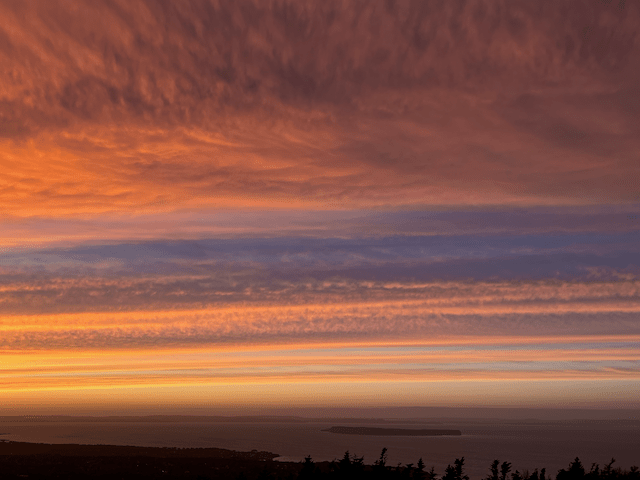
Write a poem about the sky at dawn or dusk.
Ways to Play
- Notice and brainstorm words to describe the colours of the sky. If possible, observe the sky for 15-30 minutes and notice how the colours change. If there are clouds, look at how the clouds change. Write a “time lapse” poem capturing the changing colours.
- What feelings does the sky evoke in you? When the days are short, how do you feel when you see the sky lightening in the morning or darkening in the afternoon? Try to capture these feelings and their importance to you in a poem.
- How does the sky at dusk or dawn affect the natural environment close to you? If possible, listen to bird or animal sounds while watching the changing sky. What do you notice? If you’re in an urban environment, do you notice any change in sound at dusk or dawn? Focus on the connection between the sky and other elements of your environment in your poem.
Prompt 3
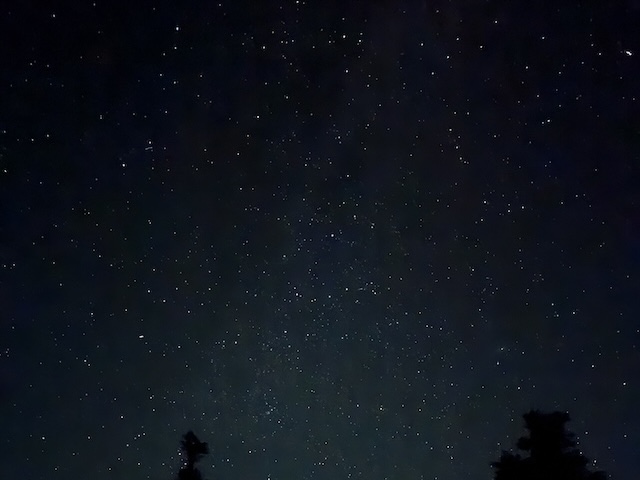
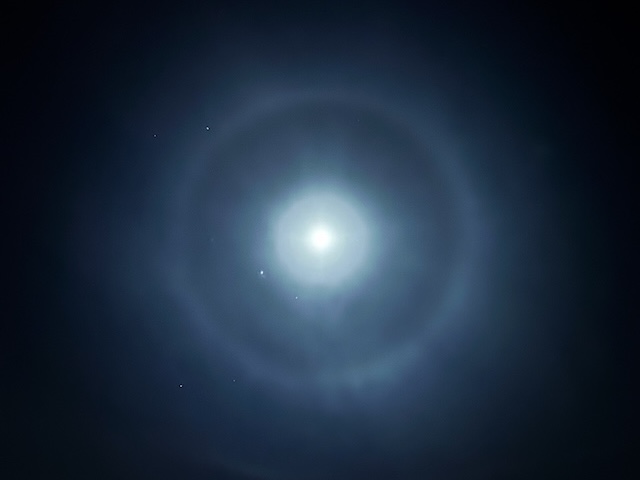
Write a poem titled “A Winter Sky at Night”
Ways to Play
- If possible, go outside and feel the winter air while observing the sky. Then, in your notebook, brainstorm words to describe the air in one column and words to describe the sky in a second column. Look for 2 words that surprise or delight you when you see them together. Use these 2 words as the starting point for your poem.
- Focus on the moon and stars, then challenge yourself to write a poem in a different style to your usual poems or try out a form you don’t often use. For example: try writing an acrostic poem using “WINTERSKYATNIGHT” as your starting letters, a sonnet about the moon and stars, or use the second-person “you” to create a poem speaking directly to the moon and stars in the night sky.
- Can you think of – or imagine – a time when you had strong feelings about the night sky? Write a narrative poem telling the story of how you felt about the night sky and why. Did these feelings change over the course of the night or several nights? Use the first-person “I” for the speaker or a third-person pronoun (they, she, he) to tell the story.
Bonus Prompt
Challenge yourself to write a poem titled “A Month of Winter Skies.” Observe and track the winter sky for a month, noting down your daily observations. Write a poem about how the sky changes over the course of the month.
Download a printable version of the prompts here:
You might also like “Winter Birds Poetry Prompts.”



 Kim T. Harrison