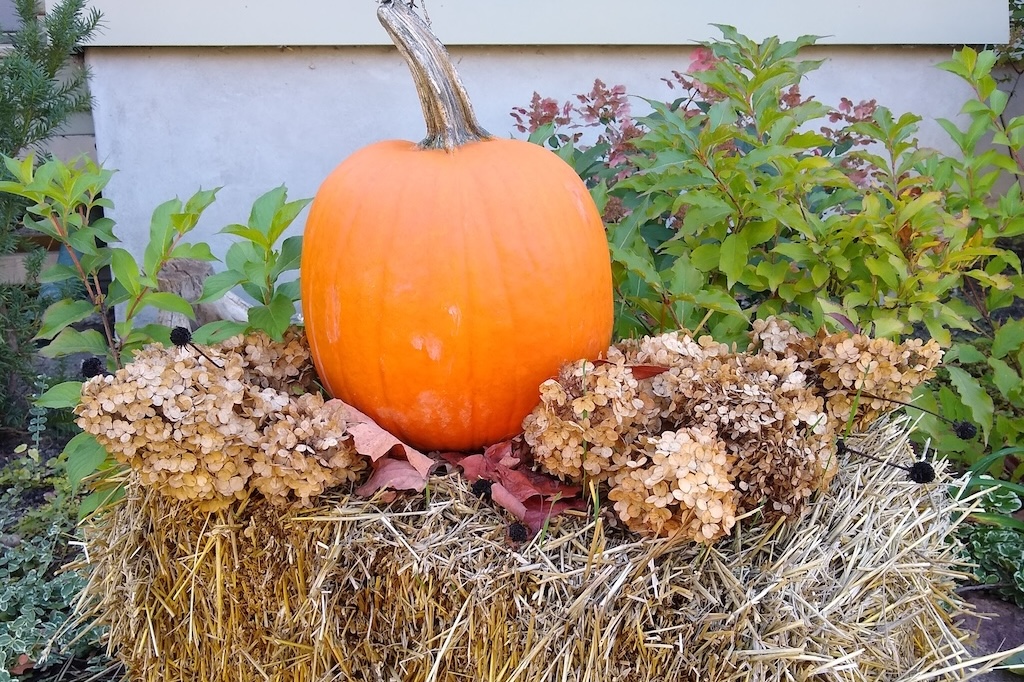
3 Fall Poetry Prompts

Would you like to capture the fall in poetry? Here are 3 poetry prompts to spark ideas. Grab your pen and your coziest sweater and let’s write! 

Each prompt below is followed by a few “ways to play” ideas. If the prompt itself sparks a poem idea for you, go ahead and start writing. But, if you’d like a little more inspiration or feel like approaching your poem from a different angle, the ways to play ideas might be for you! You can also come back to them later to write a different poem. 

These prompts are suitable for poets writing for children or adults.

Prompt 1

Write a poem about the way a single leaf falls from a tree. 

Ways to play:

  • Change the Point of View (POV): write the poem from the POV of the leaf itself. Bring it to life – how does it feel falling from the tree? What is the sensation like for the leaf?
  • Focus on one sense and dig deep to convey that to readers. For example, focus on the way the light hits the leaf as it’s falling, or the sounds (or absence of sound) surrounding the leaf in the air and then on the ground.
  • Use the leaf as a metaphor (or simile). What does this leaf represent for you? How does that come across in the way it falls? 

Prompt 2

Write a poem about a favourite fall clothing item or accessory (for example: scarf, hat, jacket, rain boots). 

Ways to play:

  • Play with some word sounds in this poem (alliteration and/or assonance). Whichever accessory or item of clothing you choose, brainstorm other words (verbs, adjectives, nouns) with similar sounds. You don’t need to include all these words in your poem, but maybe just a couple of your favourites.
  • Create a set structure for the poem before you start writing. For example, create a rhyme scheme for yourself (especially if you usually write in free verse). Or, decide on the number of stanzas and number of lines in each stanza before you start writing.
  • Could you create a visual poem? Could you use the accessory or item of clothing as the visual “holder” for the poem? For example, if you choose a scarf, could your poem be long and thin on the page? Could you go further and download the outline of an item of clothing and write your poem within it? (Teachers – this could be a fun way for your students to write a fall poem!)

Prompt 3

Write a poem about a fall walk. 

Ways to play:

  • Choose your setting. Are you setting the poem in the city? In the countryside? By a river? In an open field soon to be harvested? Take a few moments to decide on the setting you’d like for this poem and immerse yourself in it before writing. You don’t need to physically go there (although you could), but try to capture it in your mind’s eye as clearly as possible – what sounds do you hear? What do you see? What can you smell? How do you feel? 
  • Use the 3rd person (he/she/they) or even the 2nd person (you) instead of the 1st person (I) POV for this poem. Think about who the speaker is and how that affects the walk or how you describe it. Brainstorm a few different POVs before you start writing. Could the walk be seen through the eyes of your dog, for example? Or could you be speaking to a friend or a grandchild using “you”? 
  • Make this a humourous poem! Could you start out on a beautiful fall day and then it rains? Or the wind whips away your pumpkin-flavoured coffee treat? Think about the funniest things that could happen on a fall walk. 

Happy fall poetry writing! 

If you enjoyed these prompts, check out my latest book: Write Your Own Joy: 31 Poetry Prompts. Each prompt gently guides you to notice the small moments in your daily life and surroundings that bring you joy and suggests ways to honour that moment in poetic form. Available as an ebook and paperback.

Receive occasional news, poetry and writing prompts, as well as resources to use at home or in the classroom by signing up to my free newsletter.
Photo of fall trees by Ricardo Gomez Angel on Unsplash

Baby Animals Writing Warm-Ups

Picture Books authors – spark ideas for children’s stories or warm up those writing muscles with these new prompts all about baby animals.

1.) What adjectives come to mind when you think about…

  • A baby rabbit (kitten)? 
  • A baby turtle (hatchling)?
  • A baby polar bear (cub)?

2.) Now, what verbs might describe the baby animal’s movements? Think about how a baby turtle might move, for example. 

  • A baby rabbit (kitten): 
  • A baby turtle (hatchling):
  • A baby polar bear (cub):

3.) Give your baby animals names. Don’t overthink it – let your imagination work. 

  • What’s your baby rabbit’s name?
  • Your baby turtle’s name:
  • Your baby polar bear’s name:

4.) Think about your baby animal’s wants and needs. Again, don’t overthink it. These are warm-up exercises. You can come back to these at any time and develop a full story if you wish.

  • What does your baby rabbit want today (their external “want”)? What does your baby rabbit need (their internal “need”)? 
  • What does your baby turtle want today? What does your baby turtle need? 
  • What does your baby polar bear want today? What does your baby polar bear need? 

5.) What’s an obstacle standing in your baby animal’s way? 1 thing stopping them from getting their external “want”? 

  • Your baby rabbit’s obstacle:
  • Your baby turtle’s obstacle:
  • Your baby polar bear’s obstacle:

Bonus baby animal warm-ups:

Answer these questions without overthinking…

  • Why did the duckling swim away from his mama? 
  • Why did the fox cub get mad?
  • Why did the mole pup get lost? 

Receive occasional news, poetry and writing prompts, as well as resources to use at home or in the classroom by signing up to my free newsletter.

5 Spring Poetry Prompts, Grades 6-8

Suggested grades (Canada): 6-8; ELL, grades 7-9; ESL, intermediate.

This educational resource includes:

  • examples of literary and poetic techniques (simile, acrostic, POV, conveying feelings, hard-working verbs)
  • teacher guide with ideas and answers
  • 2 bonus slides/pages for deeper poetic analysis, with usage notes
  • PowerPoint, Google Slides, and printable PDF versions
  • original poems by Kim T. Harrison

I hope you find this resource useful. If you have any comments or feedback on the resource, please let me know. I’d love to hear from you.

Download a PowerPoint version of the resource:

Download a PDF, printable version of the resource (black and white, printer-friendly formatting):

Make a copy of the Google Slides version of the resource:

Please note: you will be prompted to save the Google Slides as a “copy” when you click on the link below.

Receive occasional news, poetry and writing prompts, as well as resources to use at home or in the classroom by signing up to my free newsletter.

(Feature image of crocus: Photo by Arseny Togulev on Unsplash)